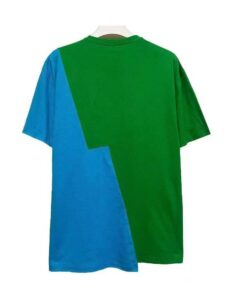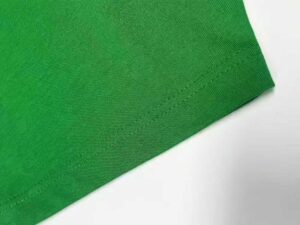

A Color-Block T-shirt Is Never “Just Simple”

At first glance, a color-block T-shirt looks straightforward.
In reality, it’s one of the easiest designs to expose manufacturing weaknesses.
When two panels meet — especially on a diagonal line — the margin for error becomes very small.
If fabric weight is inconsistent, the garment loses balance.
If shrinkage isn’t aligned, panels twist after washing.
If seam tension isn’t controlled, the T-shirt looks fine on a hanger but feels wrong on the body.
This is why color-block styles require more than cutting and sewing.
They demand fabric testing before cutting, pattern logic beyond visuals, and execution decisions made with wear and wash in mind.
Branding works the same way.
Logos, prints, and woven labels shouldn’t be added as decoration — they should be placed based on stress points, fabric behavior, and long-term durability.
Good apparel doesn’t shout quality.
It shows it — after wear, after wash, over time.
That’s the difference between making T-shirts
and manufacturing products.
If you’re developing branded or private-label apparel and care about how it performs beyond the first impression,
we’re happy to discuss your project.