

Why Golf Shirts Perform Better Than Regular Polos

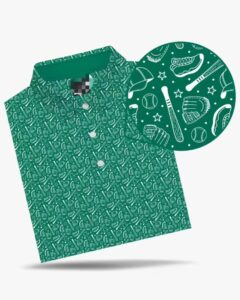
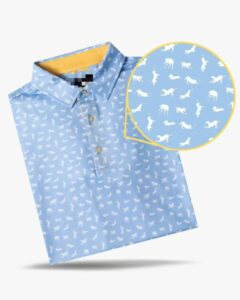
Golf Shirt vs. Regular Polo — What’s the Real Difference?
In apparel manufacturing, we often hear clients ask: “Is a golf shirt the same as a regular polo?”
They look similar at first glance, but from a production perspective, the differences are quite clear — and they directly impact comfort, durability, and performance on the course.
1. Fabric Matters Most
Golf shirts usually use high-performance fabrics: moisture-wicking, quick-dry, UV-resistant, and with higher spandex content for stretch.
Regular polos tend to use cotton or cotton-blend piqué/jersey, focusing on everyday comfort rather than athletic performance.
2. Structure & Fit
Golf shirts are engineered for movement — shoulder mobility, swing range, and recovery after stretching.
Polo shirts maintain a more casual or semi-formal fit, depending on brand positioning.
3. Construction Techniques
High-quality golf shirts often require:
-
4-way stretch patterns
-
Flatlock seams or clean stitching for reduced friction
-
Collar designs that stay crisp after repeated washing
For regular polos, traditional ribbed collars and classic seams are more common.
4. Purpose Defines the Product
Golf shirts are functional sportswear.
Polos are everyday essentials.
Understanding the use case helps brands choose the right materials and workmanship — and avoid unnecessary production costs.
As a garment manufacturer, we evaluate each project based on its intended scenario. Even small details like fabric density, collar structure, and seam technique can make a big difference in comfort and brand perception.
If your brand is exploring performance polos or customizing golf shirts, feel free to connect — selecting the right construction from the start saves time, cost, and headaches later.
#garmentmanufacturing #apparelproduction #golfshirt #poloshirt #performancefabric #activewear #customclothing #sportswear #fashionindustry